
Straighter teeth are easier to keep clean
Braces and Aligners
Braces move teeth gradually into a better position. Gentle, continuous pressure lets the bone remodel around each tooth as it moves.
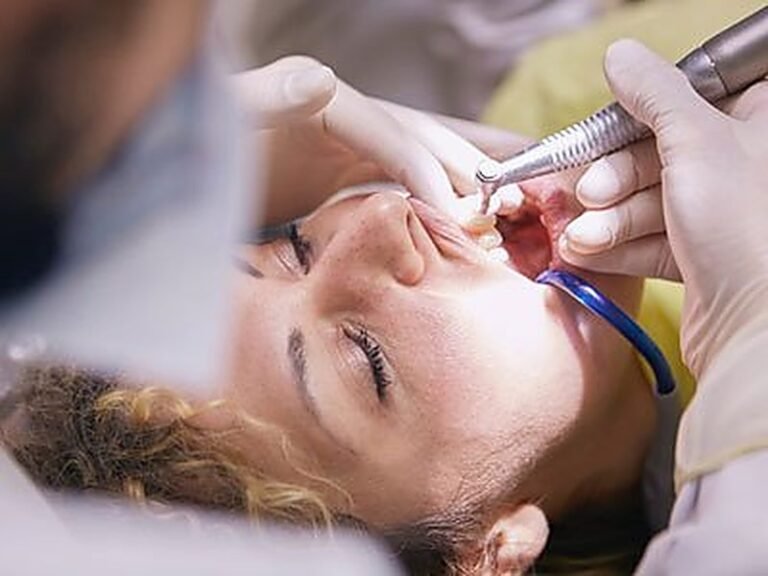
It is not only about appearance
Straightening teeth is usually wanted for how it looks, and that is a perfectly good reason. But crowded and overlapping teeth are also genuinely harder to keep clean, which means:
- More decay in the overlaps a brush cannot reach
- More gum inflammation
- Uneven wear where teeth meet badly
- Jaw joint discomfort in some bite problems
The options
Fixed braces
Small brackets bonded to the teeth, joined by a wire that is adjusted over time. They handle the widest range of problems, including severe crowding and bite correction, and they work on everyone because you cannot forget to wear them. Metal is the most common; tooth-coloured brackets are less visible.
Clear aligners
A series of removable transparent trays, each worn for a set period before moving to the next. They are far less visible and are taken out to eat and brush.
They suit mild to moderate crowding and spacing. They depend entirely on you wearing them for the required hours each day, and more complex bite problems still need fixed braces. We will tell you honestly which category you fall into rather than selling you the one you would prefer.
What happens
- Assessment. Examination, X-rays and impressions or a scan, so the movement can be planned properly.
- Plan. We explain what can realistically be achieved, roughly how long it will take, and what it involves.
- Fitting. Braces are bonded, or your first aligners are issued.
- Adjustments. Regular visits, usually every four to eight weeks, to progress the movement.
- Retainers. When the teeth are straight, you move into retainers.
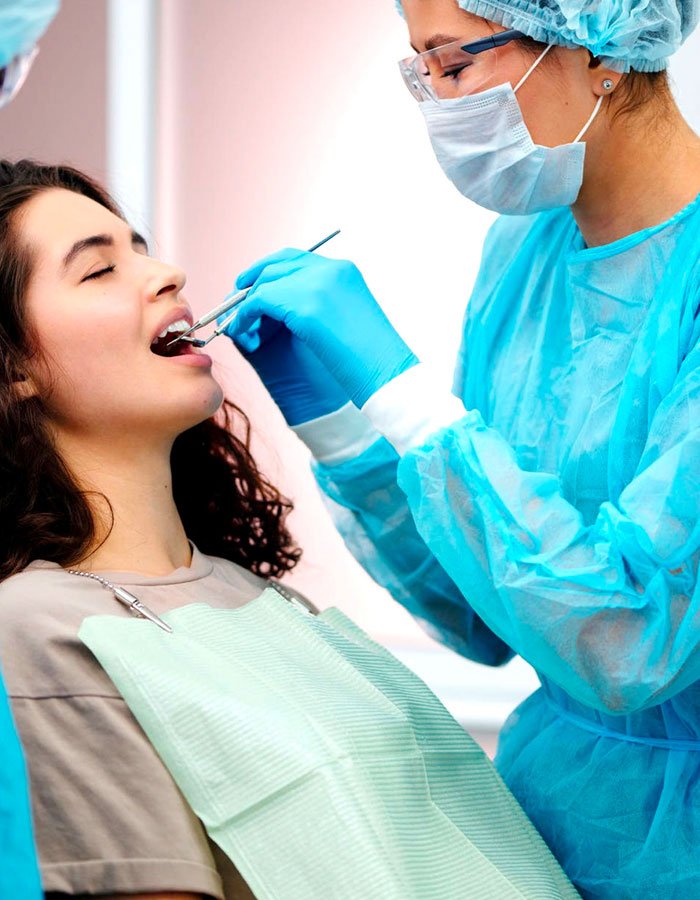
Retainers are not optional
This is the part people are not told clearly enough.
Teeth have a strong tendency to drift back toward where they started. Retainers hold them while the bone and fibres around them settle into the new position. If you stop wearing them, teeth move back, and the treatment you paid for is slowly undone.
Plan on wearing retainers long term, usually at night.
How long it takes
Most treatment runs somewhere between twelve and twenty-four months. Mild crowding can be quicker; significant bite correction takes longer. We will give you a realistic estimate after assessing you, not before.
Looking after teeth during treatment
Fixed braces trap food and make brushing harder, and this is where treatment can go wrong. Teeth can finish straight but decayed, with permanent white marks around where the brackets were.
- Brush after every meal, including around every bracket
- Use interdental brushes to clean under the wire
- Avoid very hard and very sticky foods that break brackets
- Keep up your check-ups and cleanings throughout
Common questions
Am I too old for braces?
No. Teeth move at any age. Adult treatment is common and works. Healthy gums matter more than your age, so gum disease must be treated first.
Does it hurt?
Fitting does not hurt. Teeth ache for a few days after fitting and after each adjustment, because that ache is the movement happening. Ordinary painkillers and soft food help.
Can I have braces with missing or filled teeth?
Usually yes. Missing teeth sometimes even help by providing space. We will plan around existing fillings and crowns.
Come and ask
We are open 7AM to 7PM, every day of the week, in Birendranagar-6, Surkhet. Walk in, or message first if you would rather have a set time.